Why Reading to Animals Is One of the Best Things Struggling Readers Can Do
Originally written by Susan Baldani for Roanoke Family’s Growing Up in the Valley magazine, January 2024. Updated May 2026.
How therapy animal reading programs help kids build confidence, fluency, and a love of books
Reading out loud is hard for a lot of kids. The fear of making a mistake and the embarrassment of stumbling over a word in front of classmates or parents can create a real block between a child and the skill they most need to develop. You can’t get better at reading without reading more. But many struggling readers avoid the very practice that would help them most.
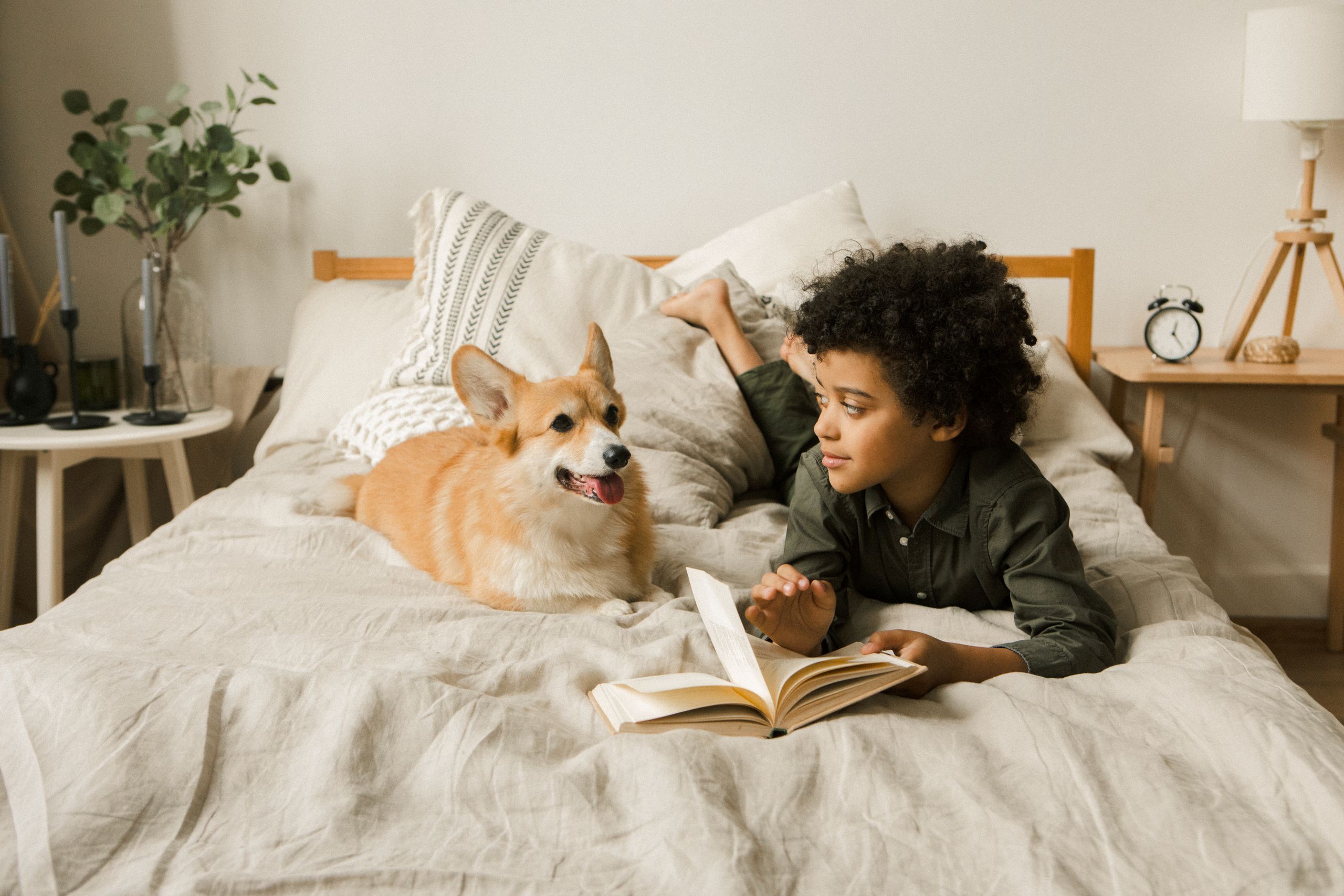
Therapy animal reading programs have been quietly solving this problem for decades. The idea is simple: a child reads aloud to a calm, non-judgmental animal, usually a dog, in a library, school, or animal shelter setting. The animal doesn’t notice mistakes. It doesn’t sigh, correct, or compare. It just listens.
The results are remarkable.
What the Research Shows
Educational researcher and linguist Stephen Krashen describes what he calls a child’s “affective filter,” the emotional barriers like anxiety and low self-esteem that create mental blocks to learning. When the stakes feel lower, the filter drops. Reading to a pet at home removes the judgment that school settings can carry. Structured therapy animal programs formalize that effect.
Teachers, librarians, and program volunteers consistently report increases in participating children’s reading confidence, communication skills, self-esteem, social skills, and even attendance rates. Programs nationwide have tracked measurable rises in reading test scores among regular participants.
The benefits extend beyond typical learners. Children with special needs and English language learners show particularly significant gains. There are even programs available for teens and adults.
How the Programs Work
Most therapy animal reading programs are run by nonprofits using certified therapy animals and trained human volunteers. The animals, typically dogs, though some programs use cats, rabbits, or even guinea pigs, are evaluated for temperament and trained for the work. They are calm, patient, and well-groomed.
Programs vary in format: some take place in school libraries during or after school, others at public libraries on Saturday mornings, others at animal shelters where the animals themselves benefit from the socialization and companionship. The shelter setting is particularly meaningful as your child is helping the animal while the animal helps them.
Children typically read for 15 to 20 minutes with a volunteer and their animal companion. They choose their own book, set their own pace, and receive gentle encouragement without correction.
Finding a Program Near You
PAWS for People operates PAWS for Reading, one of the largest therapy animal literacy programs in the country, with chapters across the mid-Atlantic. Their all-volunteer program places certified therapy animals in schools and libraries with trained handlers.
In Virginia, animal-assisted reading programs operate in Arlington, Alexandria, Hampton, Richmond, Williamsburg, Virginia Beach, New Kent, and Roanoke.
PawsToRead.com maintains a national directory of read-to-animal programs by location. If your area isn’t listed, the site offers an email form to request information.
For Roanoke-area families specifically, your first calls should be to:
- Roanoke Public Libraries — ask about any current therapy animal reading programs or visiting pet schedules
- Roanoke Valley SPCA — shelter reading programs benefit both children and animals awaiting adoption
- Your child’s school librarian — many schools arrange PAWS for People visits on request
What Happens at Home
You don’t need a formal program to get started. If your family has a dog or cat, have your child read aloud to the pet at home. The pet’s calm, attentive presence (or at minimum, their complete indifference to mistakes) creates the same low-stakes environment that makes the formal programs work.
A child who reads to the dog every evening is a child who reads every evening. The fluency, vocabulary, and confidence that come from daily practice compound quickly.
The Bigger Picture
Reading unlocks everything. A child who reads fluently has access to a world of knowledge, imagination, and possibility that a struggling reader doesn’t. Getting there requires practice, and practice requires willingness, and willingness requires removing the fear.
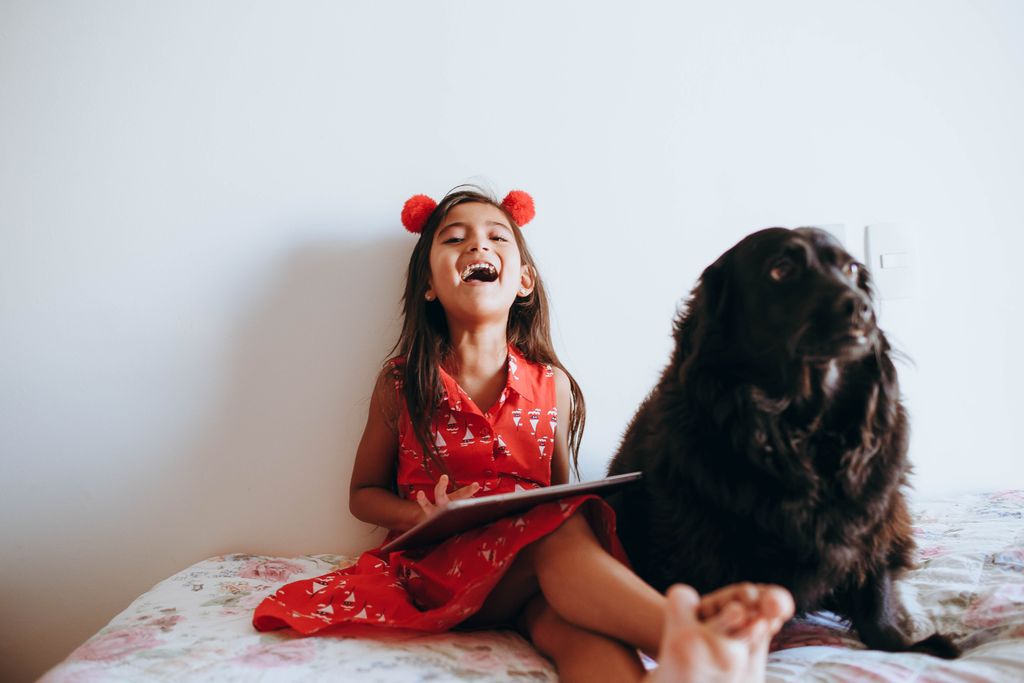
A dog listening with its tongue hanging out is remarkably good at removing all fear.
Resources:
- PAWS for People: pawsforpeople.org
- PawsToRead.com: national program directory
- Roanoke Public Libraries: roanokeva.gov/libraries
- Roanoke Valley SPCA: rvspca.org
The Roanoke Valley for Families
Raising happy, healthy, curious kids in the Roanoke Valley takes a village, and we’re glad you’re part of ours. Head to RoanokeFamily.com to sign up for our weekly newsletter. Then dig into the guides local parents use most: Roanoke Valley schools and education for everything from preschool to high school, family health resources for finding the right care, Family Fun for what’s happening this month from Grandin to Daleville, and Home & Garden for projects to do with the kids. New to the area? Our Newcomers Guide covers neighborhoods, schools and everything in between.
Originally written by Susan Baldani for Roanoke Family’s Growing Up in the Valley magazine. Updated with current program information and local Roanoke resources.
About The Author