
ARTICLES ON HOME & GARDEN | THINGS TO DO | SERVICE PROVIDERS

Home and Garden in the Roanoke Valley: A Family Resource Guide


Nobody warns you that settling into the Roanoke Valley means figuring out how recycling works, where to adopt the family dog, and how to keep the water bill from surprising you. Running a household here — whether you’re in Roanoke, Salem, Vinton, or out in Botetourt — comes with a stack of small local logistics that add up to a home. The good news is the valley makes most of it pretty easy once you know where to look.
This is our parent-to-parent guide to the home-and-garden side of valley life: recycling and waste, pets, local food and farmers markets, utility and energy help, and getting your hands in the dirt. It’s built from the questions we hear most from local families, and we’ll keep adding to it, so bookmark the page and check back with the seasons.
Roanoke Valley Home and Garden: Quick Answers
How does recycling work in the Roanoke Valley?
Trash and recycling are handled by your city or county, with the Roanoke Valley Resource Authority managing regional disposal for Roanoke, Salem, Vinton, and Roanoke County. Check your locality’s solid waste page for what’s accepted and where to take household hazardous waste.
Where can I adopt a pet in Roanoke?
The Roanoke Valley SPCA is the region’s go-to for adoptions, and other local rescues place pets too. Most run adoption events and can walk a first-time family through the process.
Where can I get help with food or utility bills?
Feeding Southwest Virginia connects families to food pantries across the region, and Total Action for Progress helps with energy costs and weatherization. Dialing 2-1-1 reaches Virginia’s free referral line for food, housing, and utility assistance any time.
Where are the farmers markets in the Roanoke Valley?
The Historic Roanoke City Market downtown is the anchor, dating to 1882, with markets in Salem, Vinton, Grandin Village, and Botetourt rounding out the options for local produce, plants, and goods. See our farmers markets section below for the rundown.
Recycling, Trash, and Household Waste
Waste pickup here runs through your local government, so your city or county sets the rules. For the core valley, the Roanoke Valley Resource Authority handles regional disposal and recycling for Roanoke, Salem, Vinton, and Roanoke County, and its site is the place to sort out household hazardous waste, bulk and brush disposal, and what actually belongs in your recycling bin. A little accuracy at the curb goes a long way, since the wrong items can contaminate a whole load. Many localities also offer bulk, brush, and seasonal yard-waste collection, and your city or county page has the current details. For the family that wants to do more, local environmental groups run cleanups and education throughout the year.
Pets and the SPCA
Adding a pet is a real family milestone, and the valley has good places to do it right. The Roanoke Valley SPCA handles adoptions for dogs, cats, and more, and runs community programs including a pet food pantry that helps struggling families keep their animals fed rather than surrender them. Other area rescues and the county animal shelters place pets too, so if you’re looking for a particular breed or age, it’s worth checking several. Once your pet’s home, remember that Virginia requires dog licensing through your locality and rabies vaccination, both easy to sort out early.
Local Food and Nutrition
Eating well in the valley is half the fun of living here. For families feeling the squeeze, Feeding Southwest Virginia is the region’s food bank, with a pantry locator and a mobile marketplace that brings groceries closer to home, and Virginia’s SNAP and WIC programs help stretch a grocery budget. Many of the valley’s farmers markets accept SNAP and match it dollar for dollar, which puts local produce within reach on a tight budget. Virginia Cooperative Extension also runs family nutrition and cooking programs worth a look.
Farmers Markets in the Roanoke Valley
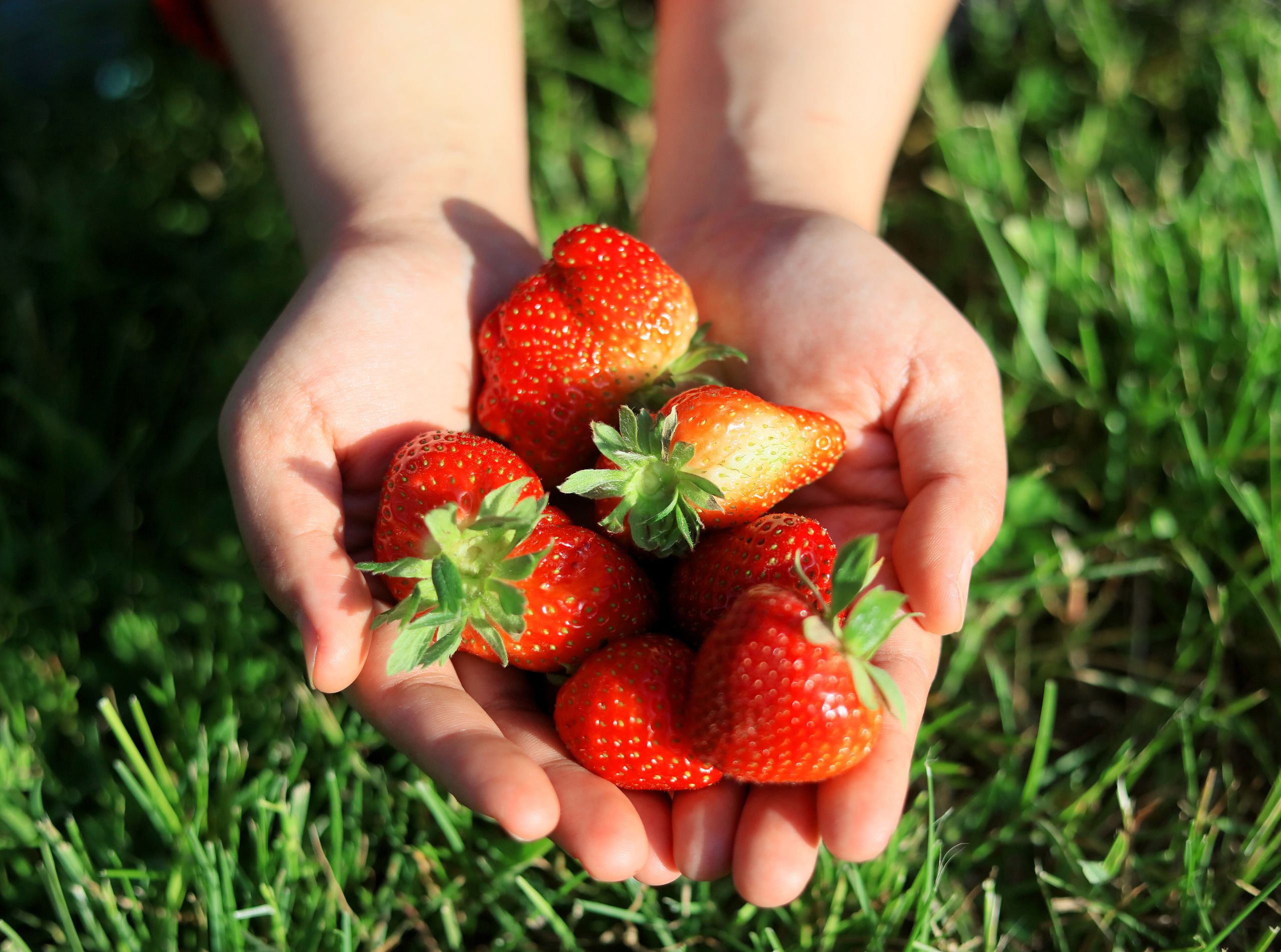
Farmers markets are the easiest way to feed your family local produce and meet the people who grow it, and the valley has a market for just about every neighborhood. The Historic Roanoke City Market downtown is the flagship, open since 1882 and the oldest continuously operating open-air market in Virginia, with produce, flowers, meats, baked goods, and hand-crafted finds. Over in Grandin Village, the Grandin Village Farmers Market sets up behind the Roanoke Co-op with a strong local and organic focus. The Salem Farmers Market anchors downtown Salem near Main Street and adds seasonal events and chef demos, the Vinton Farmers Market has served that side of the valley since 1988 from its covered stalls on West Lee Avenue, and the Botetourt Farmers Market gathers vendors at the Daleville Town Center. Days and hours shift with the season, and some markets scale back or move indoors in winter, so check each market’s current schedule before you head out. Several match SNAP dollars, so it’s worth asking at the manager’s tent.
Energy and Utility Help
Blue Ridge winters and humid summers can push a utility bill higher than you’d like, so it pays to know your options. Appalachian Power supplies electricity across the region and offers budget billing and energy-efficiency rebates, and Roanoke Gas serves natural gas customers. If money is tight, Total Action for Progress provides free weatherization and energy-conservation help to eligible households, and Virginia’s energy assistance program can help with heating and cooling bills. Again, 2-1-1 is the fast way to find what you qualify for. Small fixes — sealing drafts, a smart thermostat, weather-stripping — often pay for themselves in a season.
LIVE. LOVE. BUY LOCAL
We are proud to have the support of the best independently-owned businesses throughout the area, from tutors and private schools to education specialists. Daycares, preschools, tutoring centers, gifted educations, speech language therapy, language learning, private schools, special needs education and all sorts of education programs are available. You can find here all the local experts in Roanoke Virginia Schools and Education. Live locally by supporting our local partners.
Subscribe To Our Newsletter
Get the Best of Roanoke Valley Family Fun Delivered to Your Inbox
Join thousands of Southwest Virginia parents receiving our weekly newsletter with top family events happening this week, expert parenting tips & advice, local resources & recommendations, and exclusive partner offers.
[adsanity align='alignnone' id=1466]
Gardening in the Blue Ridge
Roanoke sits in roughly USDA zone 7, which gives valley gardeners a generous season and a real shot at everything from spring peas to fall greens. If you’re just starting, the farmers markets are a great source of starts and seedlings suited to our climate. When something stumps you — a mystery pest, a soil question, a tomato that won’t set — Virginia Cooperative Extension and its Master Gardener volunteers are a free, expert local resource. Community gardens around the valley offer plots and camaraderie for families without a sunny yard, and a raised bed is a genuinely great project to build with kids.
Home Projects and Seasonal Upkeep
A valley home has its own rhythm through the year. Fall means gutters, furnace checks, and getting ahead of leaf drop. Winter is the season for sealing drafts and protecting pipes on the coldest Blue Ridge nights. Spring brings yard cleanup, mulch, and the first mow, and summer is for AC maintenance and staying ahead of humidity. None of it is glamorous, but a short seasonal checklist saves money and headaches, and a lot of it doubles as teach-the-kids time.
Settling In: Utilities and Setup
If you’re moving in, the first week is a scramble of setting up power, gas, water, internet, and trash service. Electricity runs through Appalachian Power, gas through Roanoke Gas where available, and water, sewer, and trash through your city or county, so those are the calls to make first. Getting your recycling and bulk-disposal details squared away early saves you from a garage full of boxes with nowhere to go.
New to the Valley?
If you’re still finding the light switches, welcome. Getting a household running is a big part of any move, and our guide to moving to Roanoke walks through utilities, neighborhoods, and everything else that turns a new address into home.
Keep Going
A well-run home is the base everything else sits on. Once the logistics are handled, our Family Fun hub has the valley’s adventures, our Family Health hub covers pediatricians and wellness, and our Education hub sorts out schools.
