
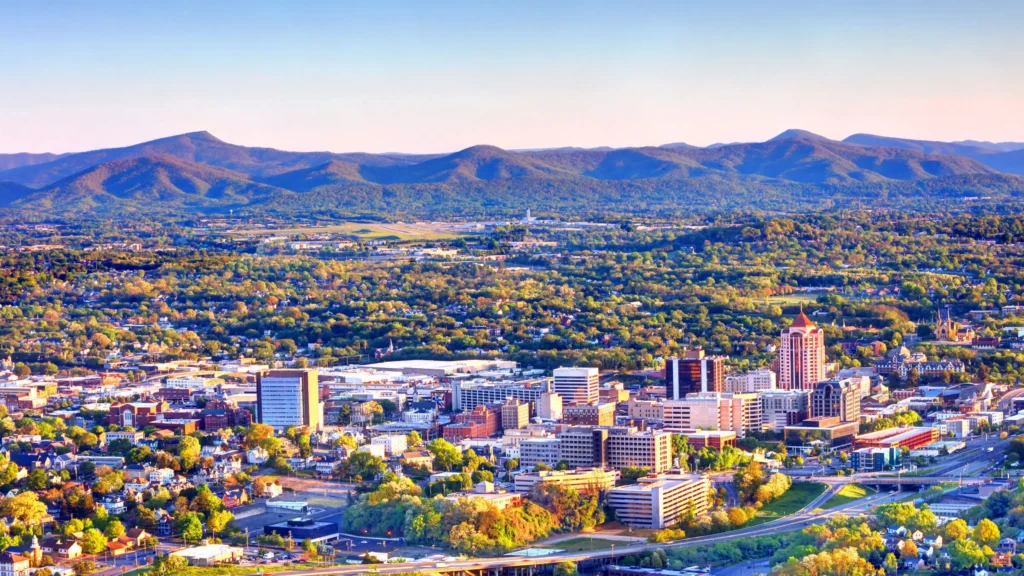
Moving to Roanoke, VA: A Family Guide to Roanoke City, Roanoke County, Salem, Vinton and Botetourt
Schools, childcare, taxes and neighborhoods across all five localities, from a family who chose the Roanoke Valley on purpose.
My husband and I moved more than 30 times before deciding where we wanted to raise our children. We had lived in cities, small towns, and places in between, so by the time we found the Roanoke Valley, we knew exactly what mattered to us: kind people, short commutes, great schools, easy access to the outdoors, and enough restaurants and everyday conveniences that life felt easy. Roanoke checked every box, and years later, we'd make the same decision again.
Most families who relocate here start with the same question: Where should we live? The answer isn't as simple as it sounds. Roanoke City, Roanoke County, Salem, Vinton, and Botetourt County are five separate localities with different governments, school divisions, tax rates, and personalities. Two neighborhoods just 20 minutes apart can offer very different lifestyles.
We've been covering these communities as a family publication since 2012, first in print and now online. Along the way, we've interviewed local leaders, attended community events, researched schools and neighborhoods, and raised our own family here. This is the guide we wish someone had handed us before we moved.
In This Guide:
A note on the numbers below: Roanoke City and Roanoke County are large enough that the U.S. Census Bureau publishes annual estimates for them, so their figures come from the 2024 American Community Survey (ACS) one-year estimates. Salem, Vinton, and Botetourt are smaller, so theirs come from the 2024 ACS five-year estimates, which average 2020 through 2024. As a result, the smaller localities' numbers run a little behind. Rather than mixing data from different years or sources, we've chosen to be transparent about where these figures come from because a relocation guide is only as useful as the information it's built on.
Let Your Children's Ages Guide Your Home Search
If your kids are under five, your primary constraint may be childcare, not housing. Skip down to the childcare section, get on waitlists this week, then let the answer to "Where can we actually get a spot?" help narrow your search before choosing a home.
If your kids are elementary-age and plan to use the public school system, you'll need to choose a school division and, within Roanoke City and Roanoke County, an attendance zone. That decision is harder to undo than the house, because moving across a locality line means changing divisions entirely.
If your kids are in middle school, look at the middle-to-high-school feeder pattern before you buy. In a valley with five high schools in one county and one each in the two cities, the school your child feeds into can shape the next six years, including the friendships that carry over. Think too about sports. So many of my friends chose middle school based almost primarily on the sports programs. There's a new reason to look closely at that feeder pattern. Under a VHSL rule that took effect July 1, 2026, a ninth grader who wants to compete at a high school outside the attendance zone where the family lives generally has to have attended that high school's feeder middle school for the entire eighth grade year, or be accepted into an academy or specialty program there. If a middle school feeds two or more high schools, eligibility follows the attendance zone where you live. In other words, picking a middle school is now partly a decision about ninth grade sports.
If your kids are in high school, compare transfer credit, graduation requirements, and athletic eligibility before you buy. A quick call to the school's guidance office can answer questions that aren't always obvious online, and Virginia High School League (VHSL) transfer rules may affect an athlete's eligibility to compete. The good news for most relocating families is that a genuine move, where the whole household changes address, usually clears the way for immediate eligibility. What matters is the paperwork. Principals at both the old and the new school have to file a VHSL transfer form, so tell the athletic director you're moving rather than assuming the schools will sort it out between themselves.
Five Communities, Five Different Lifestyles
My family has had the opportunity to experience the Roanoke Valley from several different angles, living in a downtown loft, a home on Main Street in Rocky Mount, Buck Mountain Road, East Drive, and now the outskirts of Salem. Every move taught us something different about the region. What we've discovered is that each community has its own personality, and the best place to live depends on the life you want to build.
Roanoke City
Roanoke County
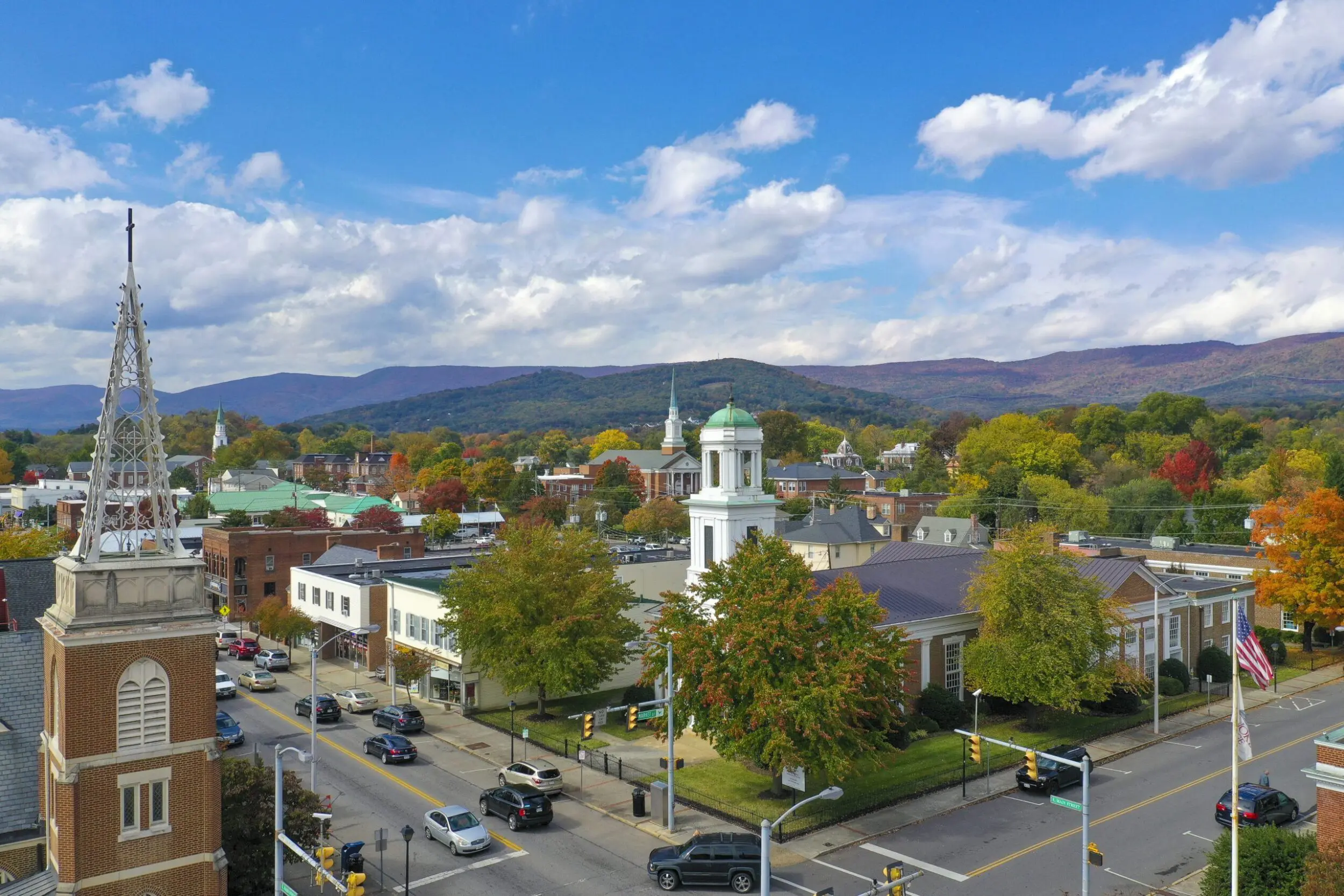
Salem
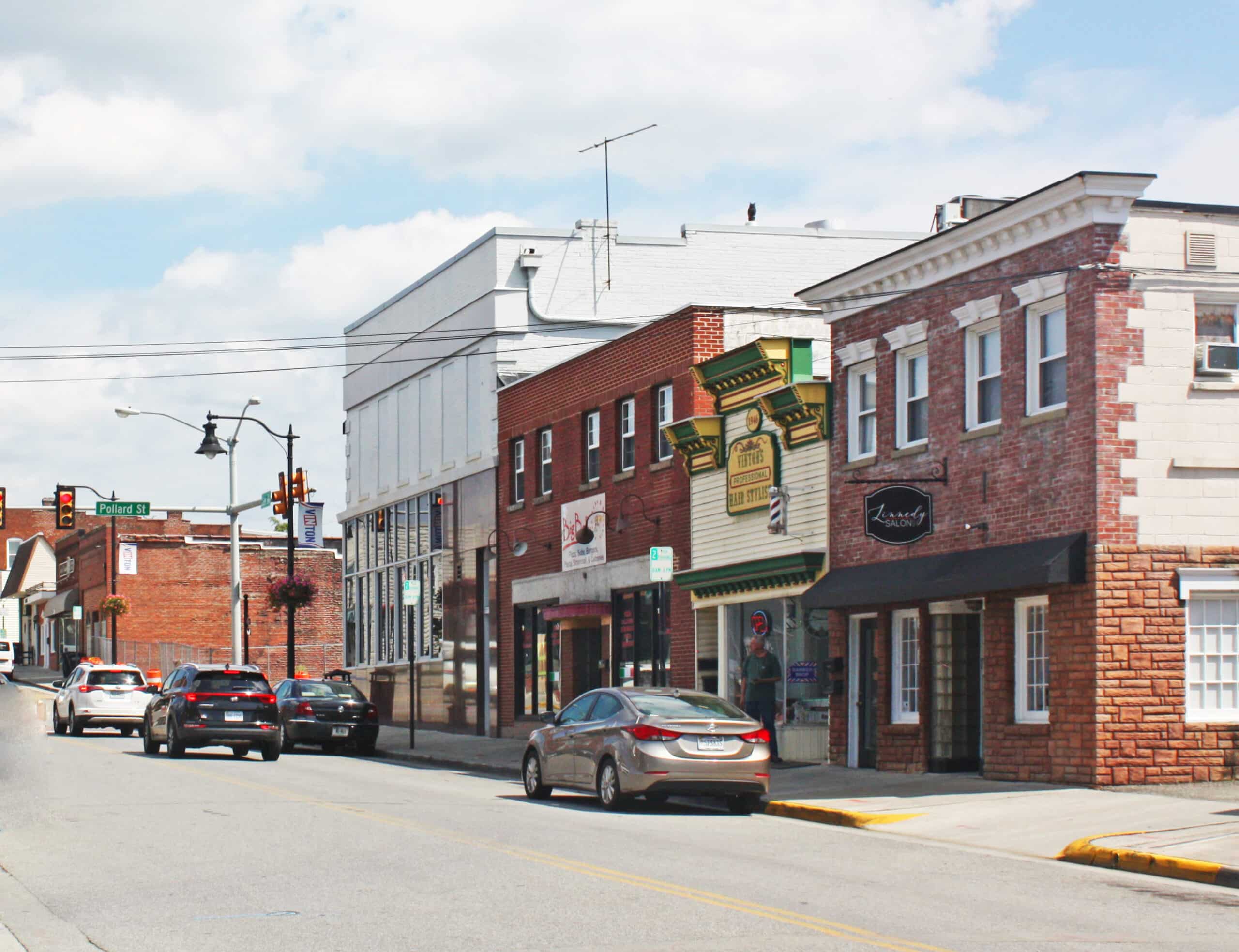
Vinton
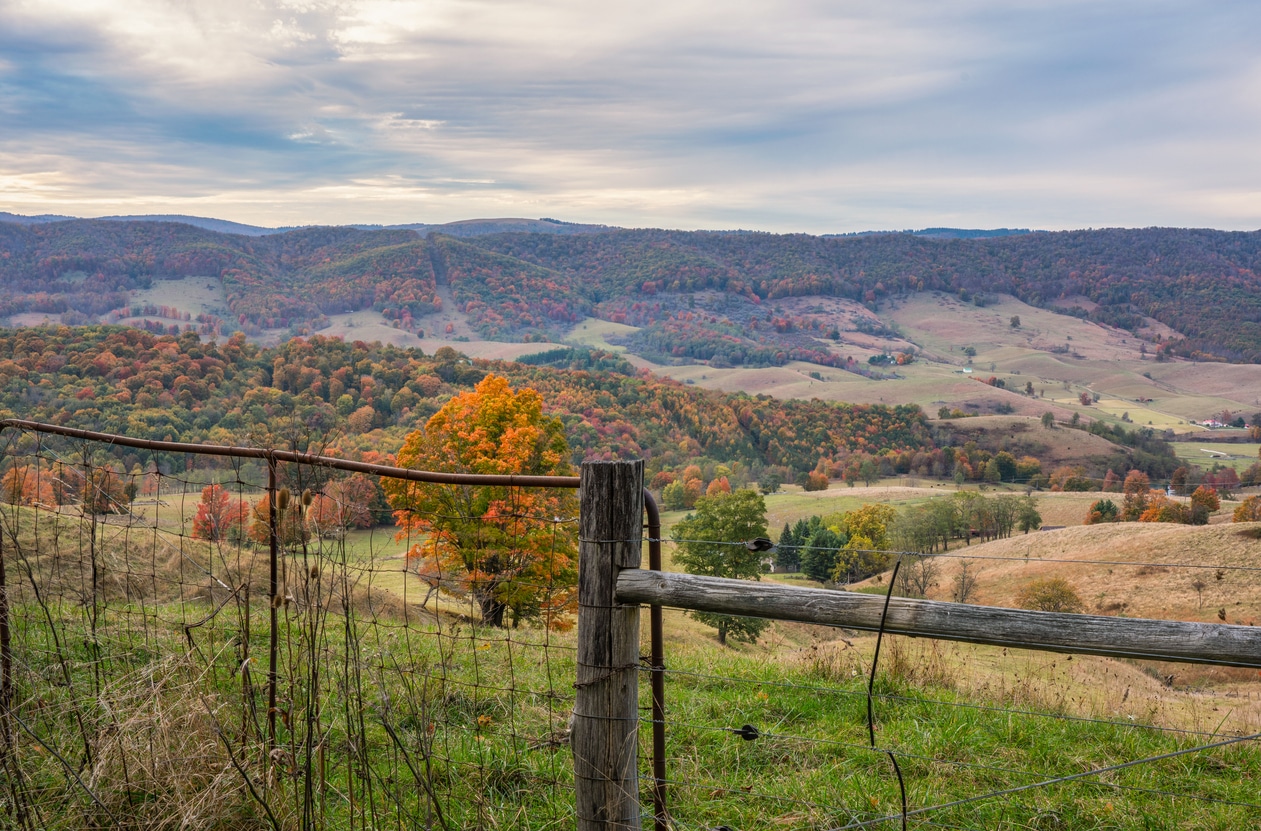
Botetourt County
Comparing Housing Costs Across the Valley
This is the section many families turn to first, so we put it near the top.
According to the U.S. Census Bureau's 2024 American Community Survey, the median value of owner-occupied homes in the Roanoke Valley was:
Vinton: $190,900
Roanoke City: $214,800
Salem: $258,600
Roanoke County: $286,000
Botetourt County: $289,200
For comparison, Virginia's statewide median owner-occupied home value was $403,500, while the national median was $360,600. At first glance, Virginia's figure may seem surprisingly high. Much of that is driven by Northern Virginia, which includes some of the nation's most expensive housing markets, including communities in Arlington, Fairfax County, Loudoun County, and Falls Church. Housing prices in the Roanoke Valley are dramatically lower, which is one of the reasons so many relocating families find their budget stretches much farther here.
Homeownership rates also tell part of the story. Botetourt County has the region's highest homeownership rate at 85.5%, followed by Roanoke County at 75.7%. Salem sits at 62.8%, Vinton at 58.7%, and Roanoke City at 52.4%. In practical terms, families planning to rent before buying will generally find the greatest selection in Roanoke City, Salem, and Vinton, while those hoping to purchase a single-family home will typically find more options in the surrounding counties.
Household income follows a similar pattern. Roanoke County reported the region's highest median household income at $85,549, followed by Botetourt County at $81,213. Salem came in at $66,725, Vinton at $65,445, and Roanoke City at $60,456. You'll find the full side-by-side comparison further down, under Roanoke Valley by the Numbers.
Don't Compare Houses Without Comparing Taxes
Property taxes vary more than many newcomers expect. Each locality sets its own real estate tax rate, so two similarly priced homes in different communities can come with noticeably different annual tax bills.
Roanoke City: Real estate tax $1.22 per $100 of assessed value; personal property tax $3.45 per $100
Salem: Real estate tax $1.18 per $100; personal property tax $3.40 per $100
Roanoke County: Real estate tax $1.03 per $100; personal property tax $3.40 per $100
Vinton: Roanoke County's $1.03 rate plus a $0.07 town levy, for a combined real estate tax of approximately $1.10 per $100
Botetourt County: Real estate tax $0.70 per $100; personal property tax $2.94 per $100
Run the numbers before you fall in love with a house. A $300,000 home carries roughly $3,660 a year in Roanoke City and roughly $2,100 in Botetourt. That is a $130-a-month difference in your payment, every month, for the life of the mortgage.
There are two more things to include in your budget. First, Virginia taxes vehicles as personal property, which often surprises families moving from states that don't. The amount varies by locality, and the state provides annual tax relief on qualifying vehicles that reduces what many owners actually pay.
Second, always confirm the current tax rates before you make an offer. Tax rates can change from year to year, and while they may seem like small differences on paper, they can add up to thousands of dollars over the life of a mortgage.
Start Your Childcare Search Before Your House Search
If your children are under five, let this section shape your timeline, not the house hunt. The house will likely still be there. The childcare opening may not.
Why It's Harder Than You Expect
Roanoke's CBS affiliate, WDBJ7, reported in January 2026 that families across Southwest Virginia face limited childcare options, long waitlists, and rising costs. In the report, one Roanoke mother shared that, on the advice of friends, she placed her daughter on multiple waitlists during her second trimester of pregnancy. Even so, when her daughter was eight months old, they still hadn't reached the top of either waitlist, roughly 15 months after first joining them. That's not unusual; it's the reality many local families face.
The biggest challenge is finding an opening. A 2025 Center for American Progress analysis found that 57% of Virginia children ages six and under live in a licensed childcare desert, meaning there are more than three young children for every licensed childcare slot. While the Roanoke Valley offers a wide variety of childcare options, openings, particularly for infants, can be limited. If you're relocating with an infant or toddler and hope to enroll within the next few months, start calling childcare providers before you start touring homes.

How to Work the Waitlists
The good news is that there are practical steps you can take to improve your chances of finding the right fit.
Start with ChildCareVA.com, where you can search licensed providers by location and review license status, capacity, inspection history, and Virginia Quality ratings. The site doesn't list current openings, so think of it as a way to build your call list rather than find immediate availability. One naming note as you search: as of July 1, 2026, Virginia renamed "family day home" to "home-based child care," and you'll see both terms while the state updates its materials.
Next, call each provider and ask two simple questions:
(1) What is the current wait for my child's age group?
(2) Can I reserve a spot with a deposit? Infant and toddler classrooms have very different waitlist dynamics. A center with toddler openings may still have a lengthy wait for infants.
If you think you may qualify for Virginia's Child Care Subsidy Program, contact the local department of social services before deciding where to live. Waitlists are managed by locality rather than statewide, and not every locality has one. Your local department can tell you whether a waitlist is in effect where you're planning to move and what that could mean for your timeline.
Finally, if you're still negotiating a job offer, ask whether the employer offers childcare benefits. Virginia's Employee Child Care Assistance Program, created by House Bill 18 and Senate Bill 3 and signed into law in 2026, provides matching state funds to encourage employers, particularly small businesses, to help cover employees' childcare costs. As more Roanoke-area employers evaluate whether to participate, childcare assistance has become a reasonable benefit to discuss during salary and benefits negotiations.
What It Costs
The good news is affordability. While childcare costs vary depending on a child's age and the type of program, the Roanoke Valley offers options to fit a wide range of budgets. During our research, annual tuition ranged from about $1,200 for part-time school-based preschool programs to approximately $19,450 for full-time care from some of the more expensive options. That's dramatically less than in Northern Virginia. Fairfax County's own published rate chart puts full-time infant care at a child care center between $449 and $587 a week, which works out to roughly $23,300 to $30,500 a year. Statewide, Child Care Aware of America estimated the annual cost of care for one infant and one toddler at $30,680 in 2024. For many relocating families, the savings on childcare can be nearly as meaningful as the savings on housing.
Based on our research, here's a general picture of what families can expect:
Free public and nonprofit programs: Families who qualify may be eligible for free preschool through Roanoke City Public Schools' Virginia Preschool Initiative (VPI), the Roanoke City Public Schools' REACH program for children with developmental delays or disabilities, or TAP Head Start. The Academy, a nonprofit founded by the McLeod Family Foundation, also provides educational and family support for children facing significant adversity.
Faith-based programs: Church- and synagogue-based preschools often offer some of the region's most affordable tuition options. During our research, half-day programs ranged from approximately $100 to $275 per month, while full-day and Junior Kindergarten programs generally ranged from $200 to about $1,600 per month, depending on a child's age, the number of days attended, and the services included. Some schools also offer payment plans or tuition assistance.
Private child care centers: Many private centers reported tuition ranging from approximately $800 to $1,400 per month, although several national providers do not publicly post tuition and instead provide pricing after a tour or consultation.
The Roanoke Valley is also responding to the increased demand. The YMCA of Virginia's Blue Ridge recently opened its Early Learning Center at the Kirk Family YMCA in downtown Roanoke, offering a full-day program for three-year-olds. Good Shepherd Lutheran Preschool, which has served families for more than 35 years with half-day preschool programs, is expanding to offer full-day care for the first time. Roanoke City Public Schools has also expanded its childcare program to all 17 elementary schools, increasing access for working families across the city. Together, these additions reflect a growing regional effort to meet the childcare needs of young families.
One Valley, Five School Divisions
Unlike some parts of the country, public school assignment in the Roanoke Valley is based on where you live. Virginia calls them school divisions rather than school districts, and the boundaries follow city and county lines. If you're moving with school-age children, choosing a home also means choosing a school division.

Roanoke City Public Schools serves roughly 14,000 students across 17 elementary school locations, five middle schools, two high schools, and five special program locations, career centers, or governor's schools. It is the largest division in southwest Virginia. Superintendent Dr. Verletta White has led the division since July 2020 and has announced she will retire at the end of the 2026-27 school year. High schools are Patrick Henry and William Fleming.
Roanoke County Public Schools serves roughly 13,700 students across 29 schools, with five high schools: Cave Spring, Glenvar, Hidden Valley, Northside and William Byrd. William Byrd serves Vinton. The superintendent is Dr. Jamie Soltis.
Salem City Schools serves roughly 4,000 students across eight schools, with one high school, Salem High, home of the Spartans. Because all of the city's students eventually attend the same high school, families often describe Salem as having a particularly close-knit school community. The superintendent is Dr. Curtis Hicks.
Botetourt County Public Schools serves roughly 4,400 students across 12 schools: seven elementaries, two middle schools, two high schools, and a technical education center. The high schools are Lord Botetourt in Daleville and James River in Buchanan. The superintendent is Dr. Jonathan Russ.
Before you commit, pull each division's page on the Virginia School Quality Profiles site, which publishes state-collected enrollment, assessment, graduation, and chronic absenteeism data by division and by individual school. It is the same data everyone else repackages, straight from the source, and it lets you compare a specific school rather than a whole division.
Private, parochial, independent, and homeschool options also exist across all five localities. We cover those separately in our school guide
Choosing a Neighborhood That Fits Your Lifestyle
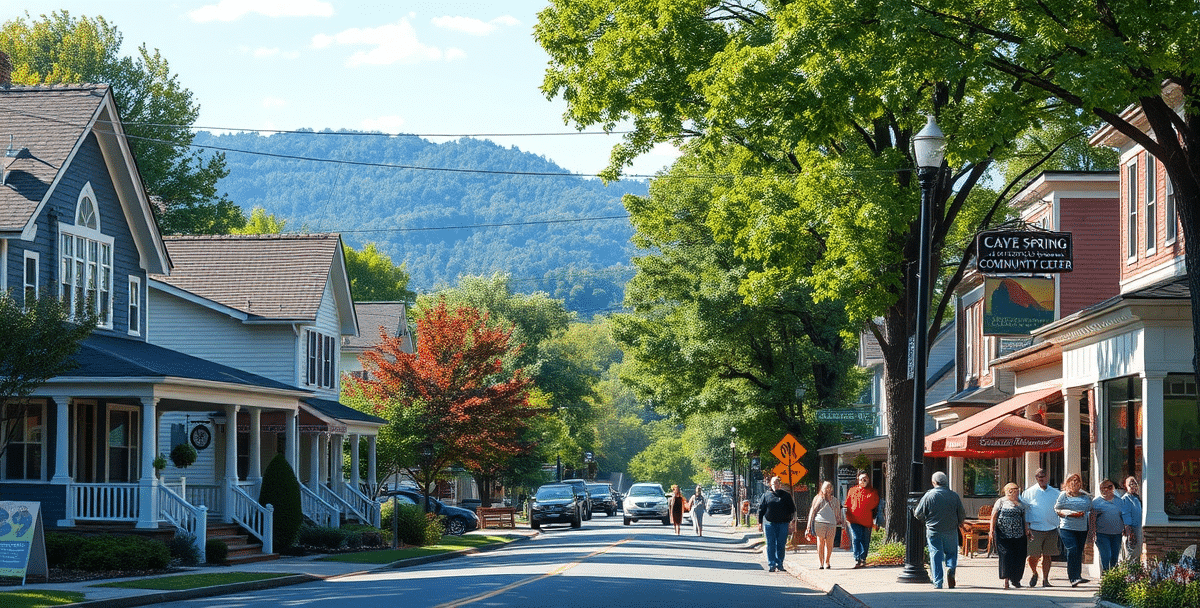
Inside Roanoke City
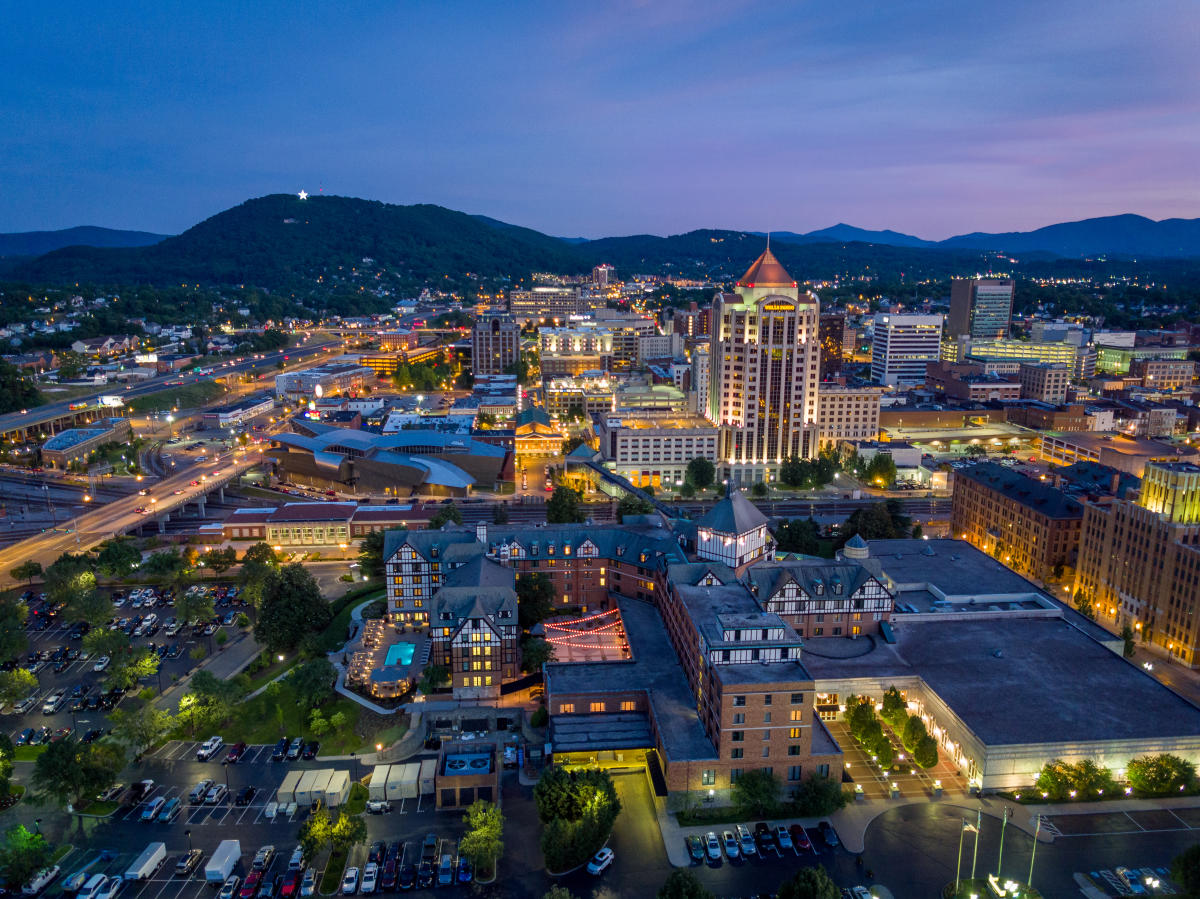
Grandin Village and Raleigh Court are the classic choices for young families, with sidewalks, mature neighborhoods, and an easy walk to the Grandin Theatre and Pop's Ice Cream and Soda Bar. Wasena sits along the Roanoke River Greenway, with Wasena Park and the skate park at the base of Mill Mountain. South Roanoke is the city's higher-priced neighborhood, close to Crystal Spring and Carilion Roanoke Memorial Hospital, making it especially popular with healthcare professionals. Old Southwest is the city's historic district, known for its beautiful homes and ongoing renovations. Just south of Raleigh Court, Grandin Court offers a similar feel in a slightly quieter setting.
Roanoke County
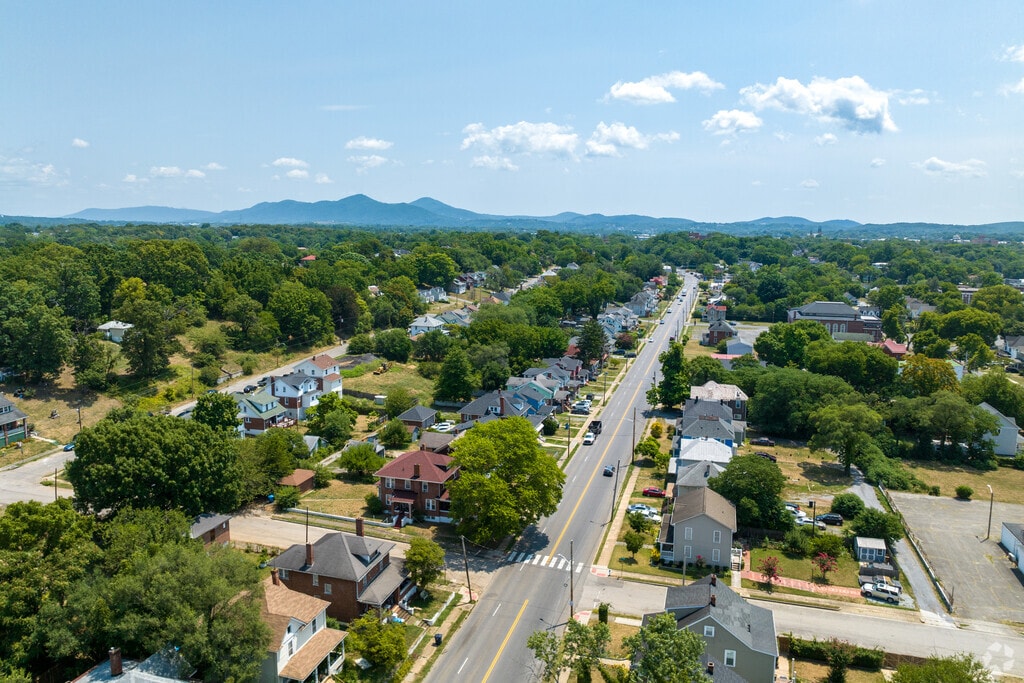
Cave Spring and Hunting Hills anchor the county's southwest corner near Tanglewood and Carilion Children's Hospital, making them popular with families and ensuring great resale value. Penn Forest and Back Creek extend farther south into established suburban neighborhoods. Hollins and Bonsack serve the county's northeast, offering convenient access to Botetourt County and the I-81 corridor. Glenvar, on the western edge of the county, has a more rural character and a close-knit school community.
Salem
Compact enough that most neighborhoods are just minutes from downtown Main Street, Salem Memorial Ballpark, Roanoke College, parks, and local restaurants. Many families are drawn to Salem for its strong sense of community and easy access to schools and recreation.
Vinton
Vinton combines a walkable downtown with some of the valley's most affordable home values. Many families appreciate its welcoming, diverse community, while children attend Roanoke County Public Schools through the William Byrd feeder pattern.
Botetourt County
Daleville and Troutville have seen much of the county's recent growth and are the closest communities to Roanoke, about 20 minutes north of downtown. Historic Fincastle serves as the county seat, while Buchanan and Blue Ridge offer larger lots, more rural surroundings, and a quieter pace of life in exchange for longer drives.
One final tip: Don't assume a home's online listing is correct. School attendance boundaries can change, so confirm your assigned school using the division's official school locator before making an offer.
The Registration Calendar Every Parent Should Know
Nobody publishes this, and every relocating family needs it.
Moving mid-summer: Roanoke City Public Schools begins classes on Tuesday, August 11, 2026, and the other divisions follow similar calendars. Register as soon as you have a signed lease or closing date. Fall sports tryouts, marching band camp, and initial practices often begin before the first day of school, so contact the school's athletic director directly rather than waiting for orientation.
Moving in the fall: You'll likely have no trouble enrolling in school, but you'll probably miss registration for many fall recreation leagues, which typically fill in July and August.
Moving in the winter: Registration for many of the Roanoke Valley's most popular summer camps opens in January and February, and the most sought-after programs can fill within days. Spring recreation registration often happens during this window as well.
Moving in the spring: Kindergarten registration for the following school year typically takes place in the spring, so check your school division's registration dates as soon as you know where you'll be living. Also, by April, many of the more popular summer camps have already filled, but churches and other organizations often still have room.
For school registration, expect to need proof of residency, a birth certificate, immunization records, and a recent physical, plus a records release from the previous school. Virginia requires a physical and specific immunizations for kindergarten entry and again for rising seventh graders. Note that immunization records may not be required for church-based schools or homeschool co-ops. Parents will want to start the records request before moving, not after.
Supporting Students with IEPs and 504 Plans
When a student with an active IEP transfers to a Virginia public school, the receiving division must provide comparable services until it reviews the existing plan and determines next steps. How quickly that process happens often depends on how quickly records are transferred and evaluations are completed.
Before you move, request your child's complete special education record from the current school in writing, and keep a copy with you rather than relying solely on a division-to-division transfer. As soon as you have a new address, contact the receiving division's special education office to begin the conversation. Be sure to ask how the process differs for in-state and out-of-state transfers, as the requirements are not the same.
The Roanoke Valley offers a variety of specialized programs and supports. Roanoke City Public Schools' REACH program serves eligible preschool children with developmental delays and disabilities. Families seeking private education may also wish to explore programs such as Roanoke Valley Christian Schools' Supplemental Learning Program and North Cross School's CrossWalk Program, both of which provide additional support for students with diverse learning needs. Each of the five public school divisions also has its own special education leadership team and parent resources, and connecting with local parent support groups early can make the transition much smoother.
The City of Roanoke offers a rare balance: stunning mountain views on every horizon combined with a warm, close-knit community feel. Between top-tier parks for our kids, local staples like Albemarle Coffeehouse, and vibrant community festivals like the Henry Street Heritage Festival , there is always something bringing people together. Plus, with low stress, manageable cost of living, and nowhere being more than 20 minutes away, Roanoke, Virginia gives me back what matters most in my current season of life: quality time with my family. It’s small-town vibes with big natural beauty.
—Wesley W., Roanoke father to two, Executive Director of Roanoke City SchoolsChoosing a Pediatrician Before You Need One
Carilion Clinic is the Roanoke Valley's largest employer, with nearly 15,000 employees and more than 800 physicians serving an approximately 20-county region of Virginia and southern West Virginia. Its network includes seven hospitals, more than 250 physician practices, and partnerships with Virginia Tech and Radford University, making healthcare, medical education, and research major drivers of the region's economy.
One of the biggest advantages for relocating families is Carilion Children's Tanglewood Center. Opened in October 2021 in the former JCPenney at Tanglewood Mall, the 150,000-square-foot facility brings together approximately 20 pediatric specialties and practices, along with pediatric and adult dental services, under one roof. General pediatrics at Tanglewood offers Saturday and Sunday morning appointments. If your child sees multiple specialists, that consolidation is worth more than any ranking.
Two practical notes. Pediatric practices in growing areas open and close their panels to new patients without warning, so call before you sign a lease rather than after. And find out now where the nearest pediatric urgent care is relative to your neighborhood, because you will need it on a Saturday afternoon and you will not want to be looking it up then.
The Roanoke Valley is also home to a growing medical education and research community. The Virginia Tech Carilion School of Medicine and the Fralin Biomedical Research Institute anchor the region's health sciences corridor near Carilion Roanoke Memorial Hospital, contributing to both the local economy and continued investment in healthcare.
The Employers That Drive Growth in the Valley
Healthcare and education anchor the Roanoke Valley's economy. Carilion Clinic is the region's largest employer, while the five local governments and five public school divisions employ thousands more. Higher education is also a major presence, with Roanoke College in Salem, Virginia Western Community College, Hollins University in Roanoke County, and American National University contributing to the area's workforce and economy.
Like many regions, the Roanoke Valley’s economy continues to evolve. The closure of the Yokohama Tire plant in Salem in March 2026 marked the loss of one of the area’s long-standing manufacturers. At the same time, a wave of new investment is bringing jobs, and new families, to the valley. In 2026, Austrian life sciences company RINGANA selected Roanoke for its first U.S. headquarters, production and distribution campus, an $85 million investment expected to create 435 jobs over five years. Regional leaders have called it the largest new location project here in three decades. Elbit America is adding 288 jobs at its night vision manufacturing facility in Roanoke County’s Hollins area, and Mack Trucks has expanded its Roanoke County plant. Munters is building a 200,000-square-foot addition expected to create 270 jobs. P1 Technologies is adding 25 jobs following its merger with Roanoke-area manufacturer Keltech. In Botetourt County, Google plans a data center campus with at least 150 full-time jobs, a project that has drawn both support and opposition from residents. And RoVa Labs at Carilion Clinic, a new biotechnology incubator, is projected to create up to 250 jobs within five years as research spinoffs and startups grow here. Healthcare, education, advanced manufacturing, logistics and technology continue to drive much of the region’s growth.
One of the biggest quality-of-life advantages to living in the Roanoke Valley is the commute. It's one of the top three reasons my hubby and I decided to settle here. The average travel time to work is 19 minutes in both Roanoke City and Salem, 21.8 minutes in Roanoke County, and 24.3 minutes in Botetourt County. If you're relocating from a metropolitan area where a 45-minute commute is the norm, that's roughly two hours every week you get back to spend with your family instead of sitting in traffic. For someone born and raised in Atlanta traffic, Roanoke traffic is a welcome breath of fresh air.
An Outdoor Lifestyle, From Greenways to Bee City
This is the section where I'll admit my own bias. When my family was deciding where to settle, the outdoor lifestyle was one of the biggest reasons we chose the Roanoke Valley. While I'm not particularly outdoorsy, my husband loves to hike and bike, so we wanted our children to grow up where trails, parks, rivers, and mountains were part of everyday life rather than something reserved for vacations.
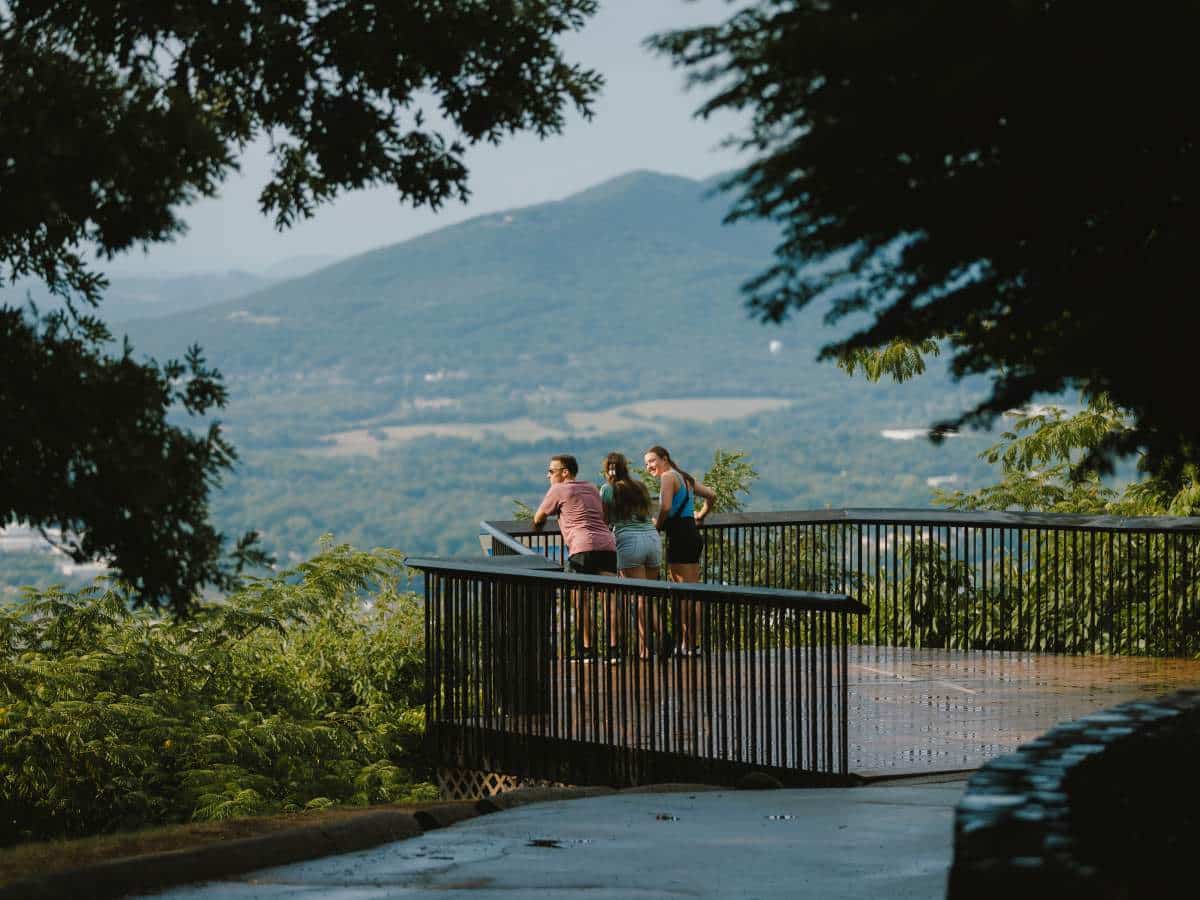
The Roanoke River Greenway is the backbone of that lifestyle, forming a continuous paved corridor of more than 25 miles from Green Hill Park in western Roanoke County through Salem, Roanoke, and Vinton to Explore Park near the Blue Ridge Parkway. The final connection opened in May 2026, creating one of the region's signature outdoor amenities.
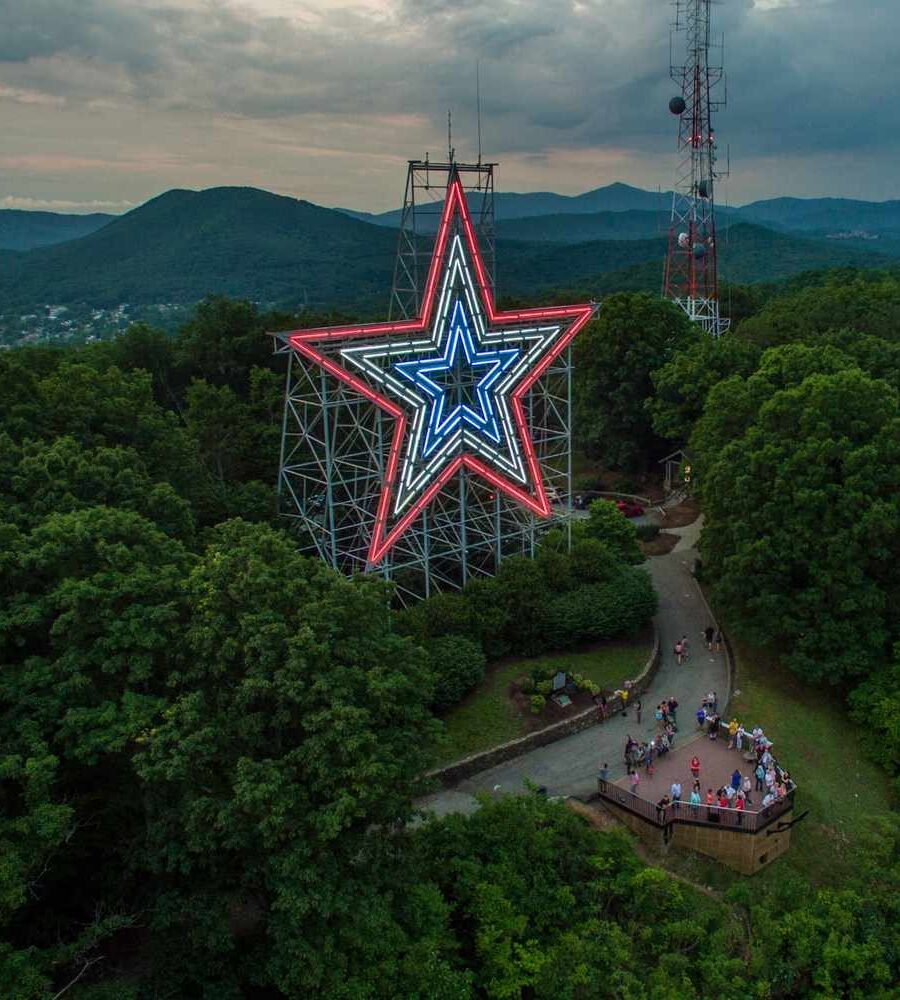
The Mill Mountain Greenway is a 3.3-mile paved route connecting downtown Roanoke with the iconic Mill Mountain Star. At the top, Mill Mountain Park is home to the Mill Mountain Zoo, the seasonal ZooChoo train, scenic overlooks, playgrounds, and miles of wooded trails.
Virginia's Explore Park spans 1,100 acres and offers hiking, mountain biking, river access, cabins, and Treetop Quest, an aerial adventure course.
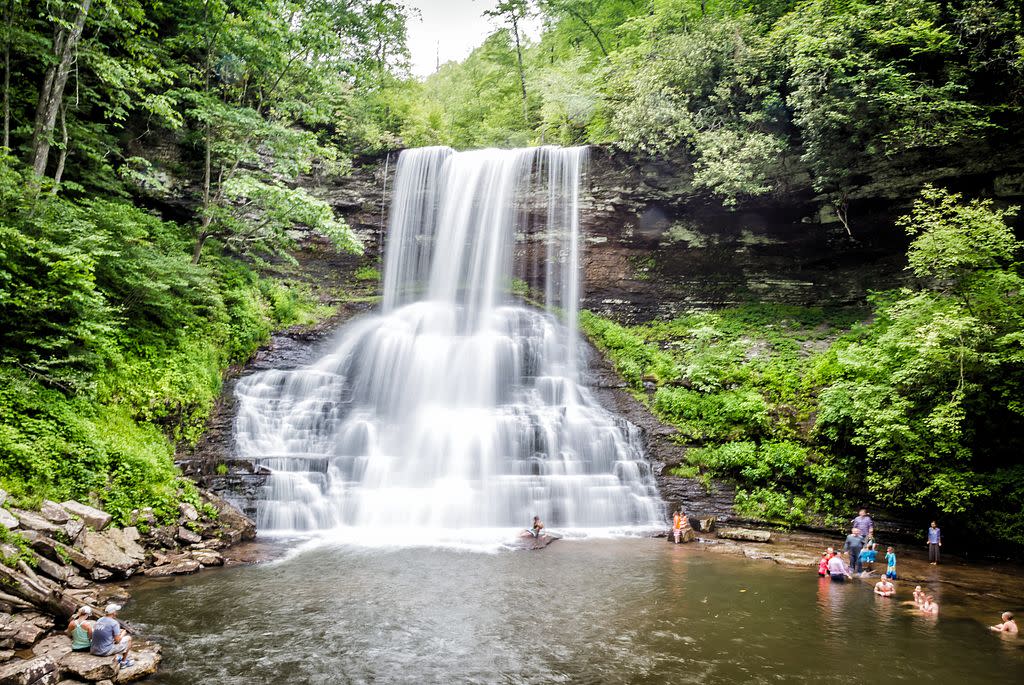
Carvins Cove Natural Reserve features one of the largest municipal parks in the country, with miles of hiking and mountain biking trails surrounding its reservoir. McAfee Knob, one of the most photographed overlooks on the entire Appalachian Trail, is only a short drive from downtown rather than hours away. If our family had to choose one favorite hike, though, it would be The Cascades near Pembroke. About an hour from Roanoke, the trail follows Little Stony Creek to a stunning 66-foot waterfall. We especially loved that we could take a wagon or sturdy stroller along the parallel Forest Service road instead of scrambling over rocks with little ones, while still ending at one of Virginia's most beautiful waterfalls. It's one of many places that reminded us the Roanoke Valley isn't just an outdoor destination for experienced hikers. It's a place where families can enjoy the outdoors together from the very beginning.
One small detail says a lot about the Roanoke Valley's values: Roanoke is a Bee City USA affiliate. What does that look like in everyday life? Pollinator gardens you can actually visit, including one at Vic Thomas Park, where the city's first Bee City sign was installed. Native wildflowers line portions of the Greenway, and both Roanoke College and Virginia Western Community College are designated Bee Campus USA affiliates. Around here, caring for the outdoors isn't just a slogan. It's part of everyday life, making our mascot, Bumble, feel right at home.
For organized recreation, Green Ridge Recreation Center and Splash Valley serve Roanoke County, River's Edge Sports Complex anchors youth sports in the city, and affordable family entertainment is never far away, whether you're cheering on the Salem RidgeYaks and mascot Mac the Yak at Carilion Clinic Field at Salem Memorial Ballpark or the Roanoke Rail Yard Dawgs at the Berglund Center.
The Places Locals Get to Early
Center in the Square downtown is the family hub, holding Kids Square Children's Museum, the Science Museum of Western Virginia with its butterfly garden, the Roanoke Pinball Museum, STARCADE and the Harrison Museum of African American Culture. The Taubman Museum of Art has a kid-focused Art Venture space. The Virginia Museum of Transportation, which has something for all ages, and the O. Winston Link Museum round out the downtown cluster.
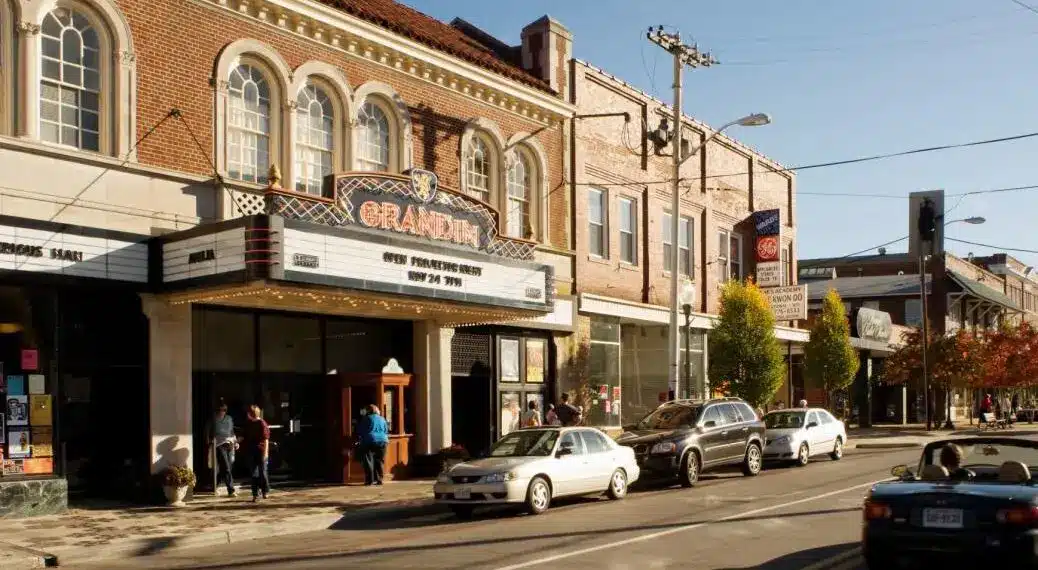
The Historic Roanoke City Market is open all year long except for Christmas and New Year's, has operated since 1882, and is our distance anchor for the whole valley: when we say a day trip is 45 minutes away, we are measuring from here. Saturday mornings, expect the surrounding garages to fill early. Elmwood Park hosts Party in Elmwood and the summer concert schedule.
Out in the neighborhoods, Grandin Village has the Grandin Theatre and Pop's Ice Cream and Soda Bar. Blue Cow Ice Cream sits right off the greenway. Mac and Bob's and Flamingo Joe's Deli and Ice Cream have fed Salem for decades. In the fall, Jeter Farm in Botetourt and Layman Family Farms in Blue Ridge host harvest festivals many local families incorporate into family traditions.
Youth Sports, Camps, and Classes
Each locality has its own parks and recreation department, and each public school division operates its own athletic programs. That means registration dates don't always line up. If you're moving in the middle of a season, one league may still be accepting registrations while another has already filled.
One pattern is consistent across the valley: fall recreation leagues typically open registration in July and August, spring leagues in January and February, and many of the most popular summer camps begin accepting registrations in January, with some filling within days. High school athletics follow the Virginia High School League (VHSL) calendar, with most fall sports holding tryouts in August before school begins.
Beyond recreation leagues, families will find just about every activity you'd expect, including gymnastics, martial arts, dance, swimming, music, and equestrian programs, along with climbing, mountain biking, and other outdoor sports that reflect the region's active lifestyle. We keep an up-to-date roundup of local sports, classes, and camps in our companion guide so you can quickly find programs that fit your child's age and interests.
A Well-Connected Home Base
One of the things we appreciate most about living here is how easy it is to get almost anywhere. The drive times below are measured from Roanoke's City Market and are approximations, but they give a good sense of the valley's location. The Blue Ridge Parkway is about 10 minutes away and Explore Park about 20, which means an afternoon on the Parkway is a spur-of-the-moment decision rather than a planned outing.
The Roanoke Valley is well connected for both air and rail travel. The Roanoke-Blacksburg Regional Airport offers nonstop flights to several major airline hubs, making connections throughout the United States convenient. For rail travelers, Amtrak's downtown Roanoke station provides twice-daily Northeast Regional service to Charlottesville, Washington, D.C., Baltimore, Philadelphia, New York City, and other destinations along the Northeast Corridor. Because airline routes and train schedules can change, it's worth checking current schedules before making travel plans.
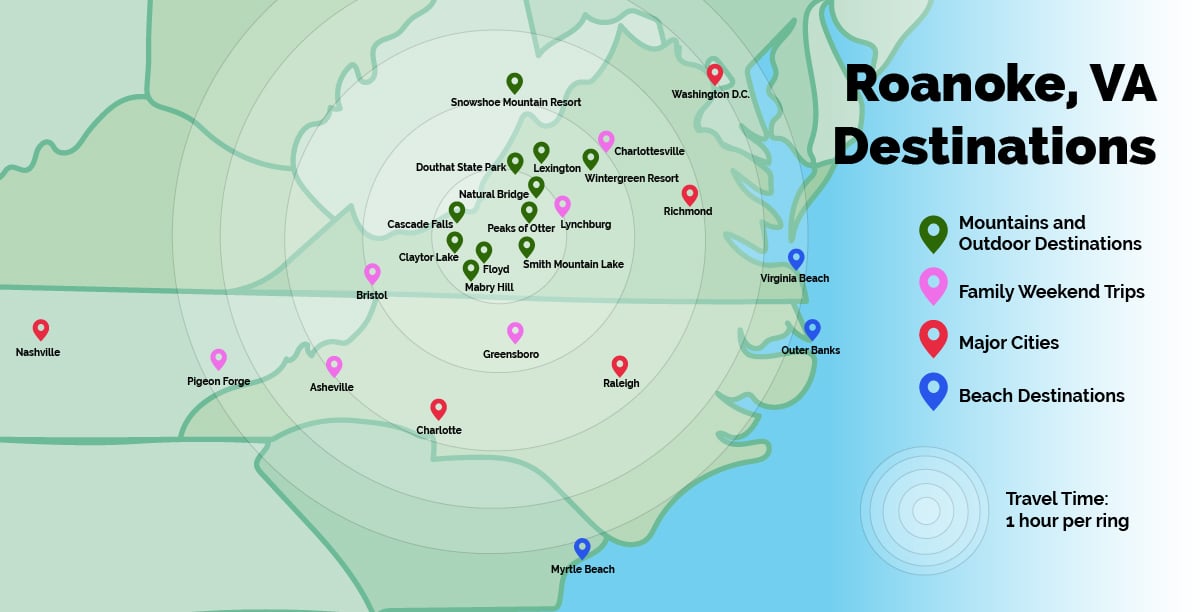
Mountains and Outdoor Destinations
Floyd, 1 hour (music, wineries, Saturday Country Store)
Lexington, 1 hour (Virginia Military Institute, Washington and Lee, downtown)
Claytor Lake, 1 hour
The Cascades, 1 hour (our family's favorite)
Douthat State Park, 1 hour
Mabry Mill, 1 hour
Natural Bridge State Park, 1 hour
Peaks of Otter, 1 hour
Smith Mountain Lake, 1 hour
Wintergreen Resort, 2 hours
Snowshoe Mountain Resort, WV, about 3 hours
Family Weekend Trips
Lynchburg, 1 hour
Greensboro, NC, 2 hours
Charlottesville, 2 hours
Bristol, 2 and a half hours
Asheville, NC, 3 hours
Pigeon Forge and Gatlinburg, 5 to 5 and a half hours
Beach Destinations
Virginia Beach, 5 hours
Myrtle Beach, about 5 and a half hours
Outer Banks (Nags Head), about 5 and a half to 6 hours
Major Cities
Richmond, 3 hours
Charlotte, 3 and a half hours
Raleigh, about 3 and a half hours
Washington, D.C., 4 hours
Nashville, about 6 hours
Roanoke Valley by the Numbers
If you're the type of person who likes to compare communities side by side, here's a quick snapshot of the five localities. Figures come from the U.S. Census Bureau's 2024 American Community Survey, one-year estimates for Roanoke City and Roanoke County and five-year estimates for Salem, Vinton, and Botetourt. The under-18 shares come from Census QuickFacts, which reports all five localities on the same basis.
| Roanoke City | Roanoke County | Salem | Vinton | Botetourt County | |
|---|---|---|---|---|---|
| Population | 97,912 | 97,334 | 25,618 | 8,056 | 34,004 |
| Persons Under 18, as a Share of the Population | 22.5% | 19.3% | 19.5% | 23.3% | 19.3% |
| Median Household Income | $60,456 | $85,549 | $66,725 | $65,445 | $81,213 |
| Median Value of Owner-Occupied Homes | $214,800 | $286,000 | $258,600 | $190,900 | $289,200 |
| Homeownership Rate | 52.4% | 75.7% | 62.8% | 58.7% | 85.5% |
| Real Estate Tax Rate per $100 of Assessed Value | $1.22 | $1.03 | $1.18 | $1.10 (Roanoke County rate plus the Town of Vinton levy) | $0.70 |
| Average Travel Time to Work | 19 minutes | 21.8 minutes | 19 minutes | 25.9 minutes | 24.3 minutes |
Setting Up Your New Household
Most of the day-to-day details of living here are handled at the local level. Roanoke City services, tax payments, trash collection, and recycling schedules can be found at roanokeva.gov . Roanoke County provides the same information at roanokecountyva.gov. Salem residents can find city services at salemva.gov, and Botetourt County posts its services at botetourtva.gov. Water and sewer service for much of the Roanoke Valley is provided by the Western Virginia Water Authority , although service areas vary by location.
One task that's easy to overlook is registering your vehicle. Each locality administers its own personal property tax, so you'll need to register your vehicle with the appropriate Commissioner of the Revenue within 30 days of moving. Most localities assess penalties for late registration, so it's worth taking care of early.
One of our favorite local resources is Roanoke Valley Libraries (RVL). Virginia residents can receive a free library card that's valid at participating libraries in Roanoke City, Roanoke County, Salem, and Botetourt County. Beyond books and movies, the libraries offer story times, summer reading programs, makerspaces, digital resources, and family events throughout the year. Each branch has its own personality, so don't stop at the one closest to home. It's worth exploring a few to discover your family's favorites.
RoanokeFamily has been covering family life in the Roanoke Valley since 2012, first in print as Growing Up In the Valley and now online at RoanokeFamily.com. From Salem to Vinton to Botetourt County, we're here to help you find what your family needs, whether that's a preschool with openings in our Roanoke Valley schools and education guide (/), a pediatrician in our family health resources, a weekend plan from our Family Fun calendar, or a new project from Home & Garden . Know a spot we should cover? Tell us. That's usually how the next article starts.
Frequently Asked Questions
Harder than most families might expect. Regional reporting in early 2026 described few openings and long waits, with some local parents joining waitlists during pregnancy. Cost is the trade-off in your favor: full-time care in the Roanoke area runs roughly $12,000 to $19,450 a year, depending on the child's age and program.
Families with young kids most often look at Grandin Village and Raleigh Court in the city for walkability, Cave Spring and Hunting Hills in the county for schools and proximity to Carilion Children's, and Daleville in Botetourt for newer construction and the region's lowest property tax rate.
There is no single answer, because the five divisions serve very different communities. Roanoke County and Botetourt post the region's higher income and lower poverty profiles, Salem runs a small single-high-school division, and Roanoke City is the largest and most diverse division in southwest Virginia. Compare specific schools on the Virginia School Quality Profiles site rather than comparing divisions as a whole.
Usually yes, if the whole household is genuinely relocating. VHSL grants immediate eligibility for a bona fide change of residence, but principals at both schools have to file a transfer form, so loop in the athletic director early. The situation to watch is a rising ninth grader who wants to attend a high school outside your new attendance zone. Under a rule effective July 1, 2026, that student generally needs to have spent eighth grade at that high school's feeder middle school, or be accepted into an academy or specialty program there.
January and February for the following summer, and many popular ones fill quickly.
Proof of residency, a birth certificate, immunization records, a recent physical, and a records release from the previous school. Request the records before you move.
Virginia divisions must provide comparable services on transfer, but the timeline depends on records arriving. Request the full file in writing before you move and contact the receiving division's special education office as soon as you have an address.
The clearest comparison is housing plus childcare. Median owner-occupied home value across these five localities ranges from about $190,900 in Vinton to about $289,200 in Botetourt, against a Virginia statewide median of $403,500. Full-time care in the Roanoke Valley typically runs about $12,000 to $19,450 per year, against roughly $23,300 to $30,500 a year for center-based infant care in Fairfax County. For many families relocating from Northern Virginia, the savings on childcare can be nearly as significant as the savings on housing.
Botetourt County, at $0.70 per $100 of assessed value, is well below Roanoke City's $1.22.
Yes. Vinton is a town inside Roanoke County, so residents pay the county real estate rate plus a town levy of $0.07 per $100, and their children attend Roanoke County schools.
Where to Go Next
We keep monthly and seasonal family calendars under Family Fun , and our school, camp, and kids activities guides go deeper on each decision above. If you are still choosing between localities, start with the school division and the childcare waitlists, in that order, because everything else is easier to change later.
About The Author